The Gap Between Stock Movement and Sector Context is Bigger Than Most Platforms Think (Here’s What’s Missing)
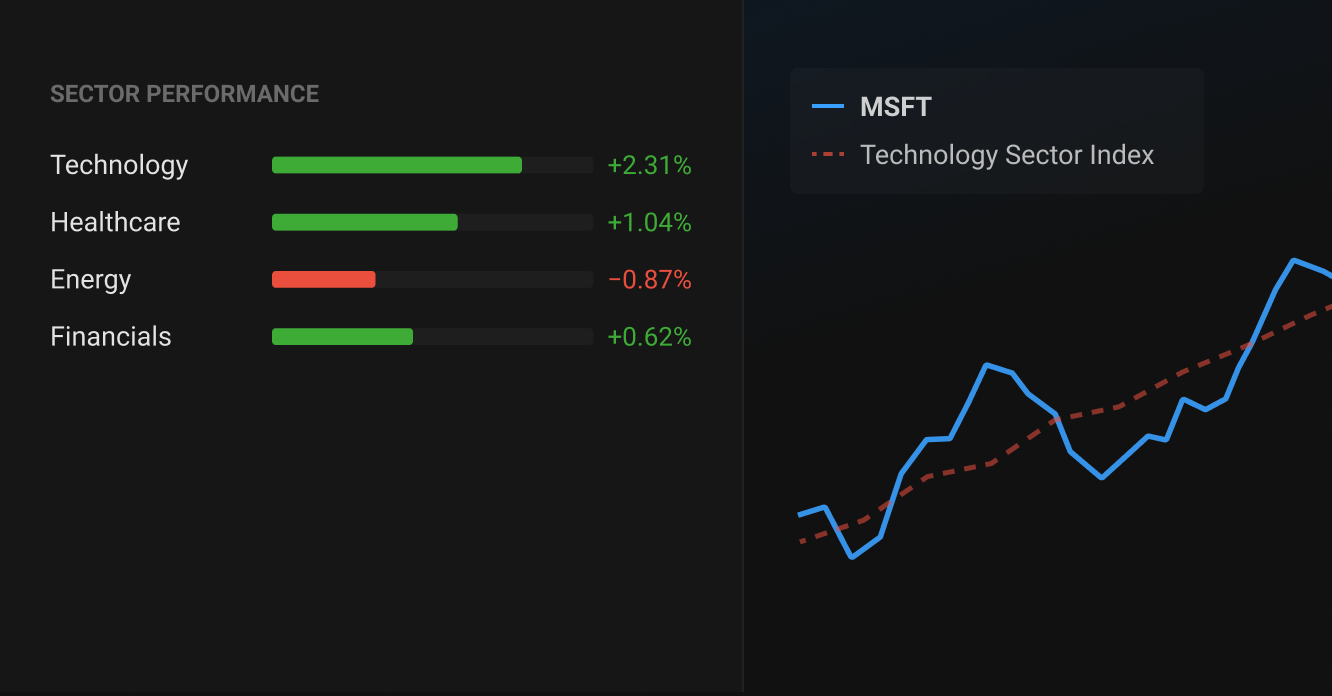
A good majority of financial platforms are built to show users what is happening with individual stocks, but not always what’s happening around these specific stocks. Users can see price movement, volume, charts, news, and company-level data, but sector context often sits elsewhere entirely, if it’s available at all.
As a result, this creates a real gap in users’ understanding of market movement. Often, a stock might be rising or even falling for company-specific reasons, but it can also be moving with its broader sector or group. With that context, users are left trying to piece together whether movement is isolated, part of a much larger trend, or even connected to wider sector performance.
The problem isn’t that platforms lack data; it’s that sector benchmarking can be quite expensive, disconnected, and hard to integrate when it relies on third-party index providers.
The Gap Between Stock Data and Sector Context
Typically, financial platforms do a strong job of showing users what a stock is doing in the moment, often showing everything from price changes and chart movement to news, fundamentals, and research signals.
But here’s where things tend to break down: the user might know that a stock is moving, but not whether the broader sector is moving with it.
That missing layer matters because market context rarely exists solely in isolation. A stock’s movement can look more meaningful, less meaningful, or completely different when compared to the sector or group around it.
Over time, this creates a gap between stock movement and sector context. Users can see what happened to one company, but they might miss what is actually happening beneath the broader market.
Why Third-Party Sector Benchmarks Can Create Friction
For platforms, sector benchmarking often comes with another challenge: the data might depend on expensive third-party providers.
That can lead to additional licensing costs, separate data structures, and increased complexity across market data workflows. In some cases, platforms might also need to connect one classification system to another benchmark technology, which can make the experience feel less integrated than it should.
Instead of having sector classification and sector performance working together, platforms can end up with disconnected systems that need to be mapped, managed, and explained separately. That makes it much harder to deliver clearer sector context inside dashboards, portals, screening, tools, research workflows, and investor-facing platforms.
From Sector Classification to Sector Performance
This is where a more integrated approach starts to make sense. Platforms don’t just need to classify companies by sector or group; they need a better way to show how these specific sectors or groups are actually performing. This includes the following:
- Sector benchmarks tied to a consistent classification structure
- Market-cap weighted methodology that reflects market structure
- US and Canadian market coverage
- Index values updated every 15 seconds
- Flexible delivery via APIs, RAW, SNAP, QMod, and supported platforms
- Reduced reliance on third-party index provider licensing
When classification and benchmarking are built to work together, sector data becomes easier to deliver and easier for users to understand.
Here’s What Modern Sector Benchmarking Should Deliver
In today’s market data environment, sector benchmarking needs to be more than a separate reference point. It needs to fit seamlessly into how platforms already deliver research, analytics, charting, and market intelligence. Modern sector benchmarking should help platforms:
- Show users how different sectors and groups are moving
- Add different sectors and groups that are moving
- Support portfolio comparison and exposure analysis
- Build sector dashboards with consistent benchmark data
- Reduce extra licensing friction from third-party providers
- Deliver data through flexible platform and API workflows
The goal isn’t just to add another dataset; it’s really to make sector performance easier to access, understand, and use inside the platform experience.
How QuoteMedia Sector Indices Help Close the Gap
QuoteMedia Sector Indices are proprietary QMICS-based sector and group benchmarks designed to help platforms track sector performance without relying on expensive third-party index providers.
Built on QuoteMedia’s QMICS classification structure, these indices help connect company classification with benchmark performance through one more consistent data foundation.
With a market-cap weighted methodology, US and Canadian coverage, and index values updated every 15 seconds, QuoteMedia Sector Indices give platforms a better way to show users what’s actually moving beneath the broader market.
Supporting Different Platform Needs
The reality is that not every platform needs sector data in exactly the same way. Some need sector performance inside investor portals, while others need benchmark data for analytics tools, screening platforms, APIs, dashboards, or professional research workflows.
QuoteMedia Sector Indices support these use cases through flexible delivery options, including APIs, RAW, SNAP, QMod, and supported Quotestream platforms. That means platforms can bring sector and group-level performance into the workflows where users already research, compare, and make decisions.
Ready to Show Users What’s Moving Beneath the Market? QuoteMedia Can Help!
If your platform is focused on helping users understand market movements more clearly, it might be the right time to look beyond individual stocks.
QuoteMedia Sector Indices help platforms deliver proprietary sector- and group-level benchmarks built on QMICS, giving users a clearer, more intuitive way to understand how different areas of the market are moving.
So, what are you waiting for? Reach out to us today to explore how QuoteMedia Sector Indices can bring integrated sector performance context to your platform, data workflow, or investor experience.
Related Articles
Product Description
Featured
Trade Smarter: Harness QuoteMedia’s Real-Time Data Solutions
Product Description
Featured
See Which Stocks Are Getting the Most Attention (And How QuoteMedia Can Help)
Product Description
Featured
A Price Move Shows What Happened, But Not What Drove It
Product Description
Featured
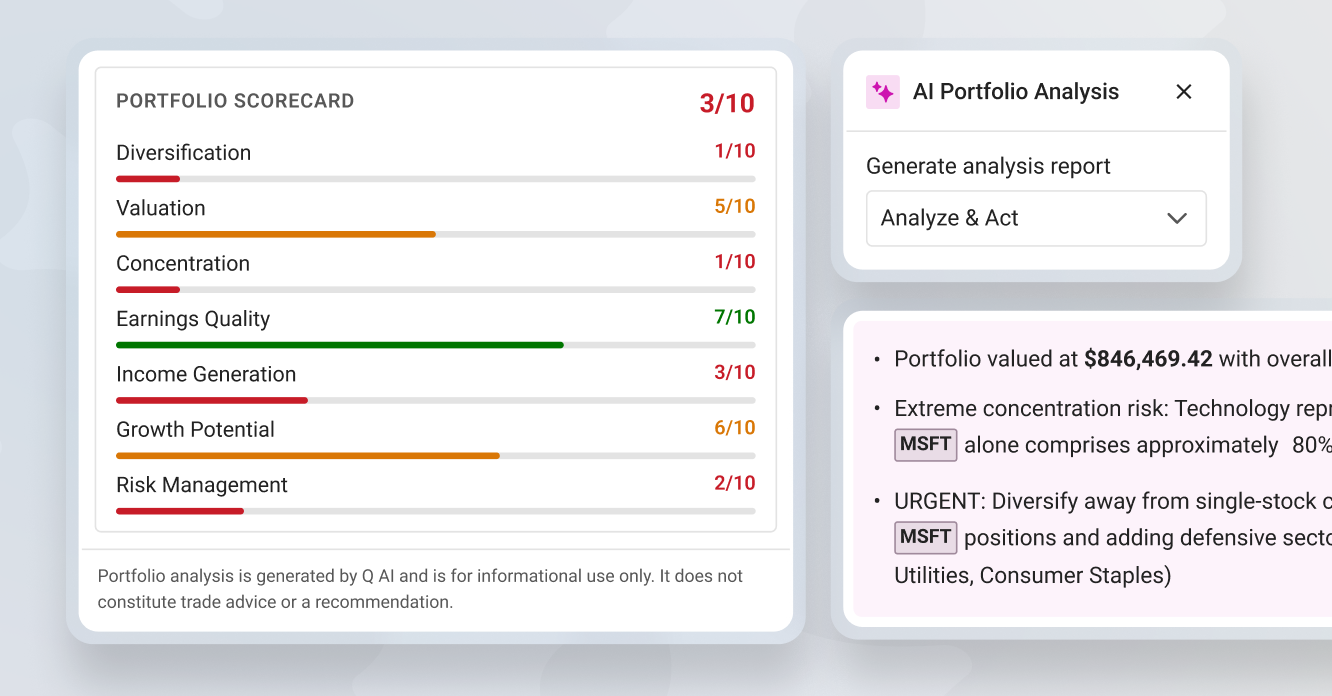
Why Portfolio Performance Needs More Than Just Numbers (And How AI Can Help)
Product Description
Featured

Financial News Moves Fast, AI Helps Users Find the Key Point Faster
Product Description
Featured
Analyst Ratings Are Everywhere, But the Context Behind Them Often Isn’t (Here’s How QuoteMedia Can Help)
Product Description
Featured
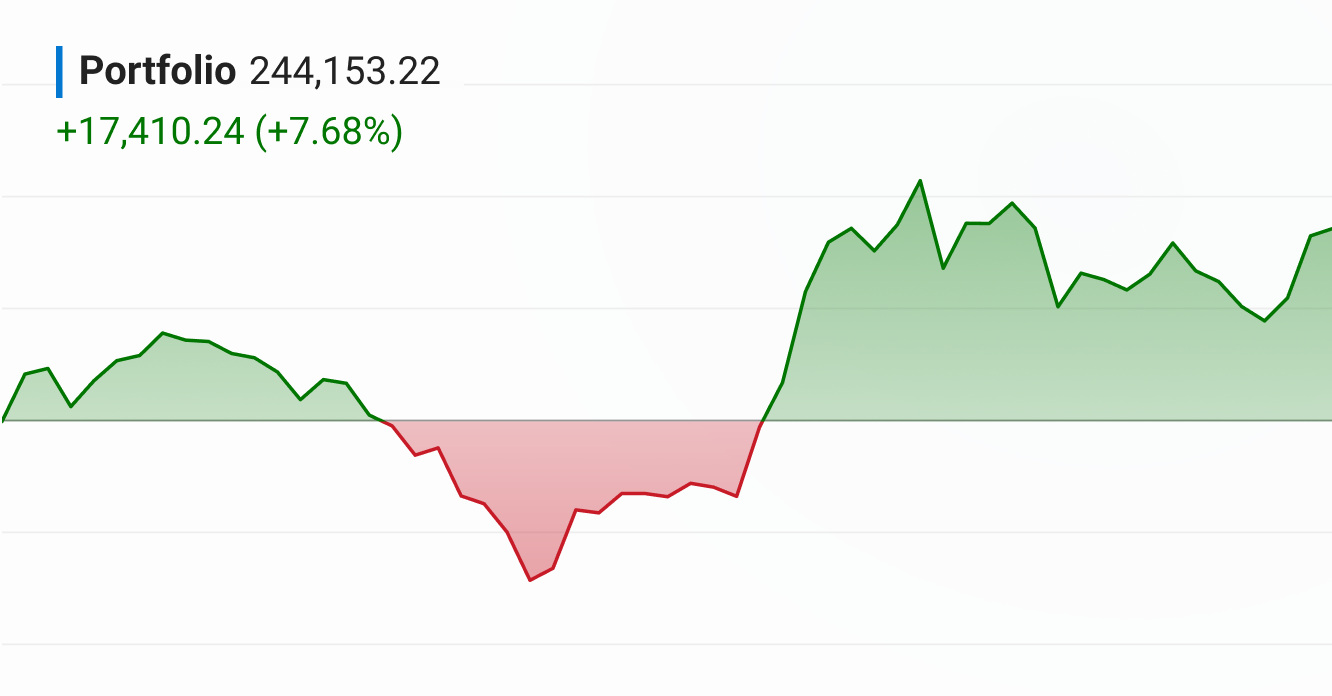
Why Holdings Alone Don’t Explain Portfolio Performance (And How QuoteMedia Can Help)
Product Description
Featured

Easily Track Key Security Changes with Confidence
Product Description
Featured
Why Fintech Teams Need a Path to Lower Cost Market Data (And How QM Zero Can Help)
Product Description
Featured

Start Streaming News that Moves at Lightning Fast Market Speed
Product Description
Featured
Why Notes Are Missing from Most Modern Trading Platforms
Product Description
Featured

Initial Public Offering Data Seems Simple, But Isn’t (QMIPO Helps)
Product Description
Featured
Why Paper Trading is Essential for Modern Trading Platforms
Product Description
How Platforms Turn Options Data into Actionable Insights
Product Description
Why Technical Charting Still Matters in a Data-Saturated Market
Product Description
Take Your Trading Operations to New Heights with QuoteMedia’s Integrated Trading Solutions
Product Description
Enhance Your Trading Strategy with QuoteMedia’s Integrated Trading Solutions
Product Description
Maximize Efficiency with QuoteMedia’s Enterprise Data Solutions
Product Description
Streamline Your Operations with QuoteMedia’s Enterprise Data Solutions
Product Description
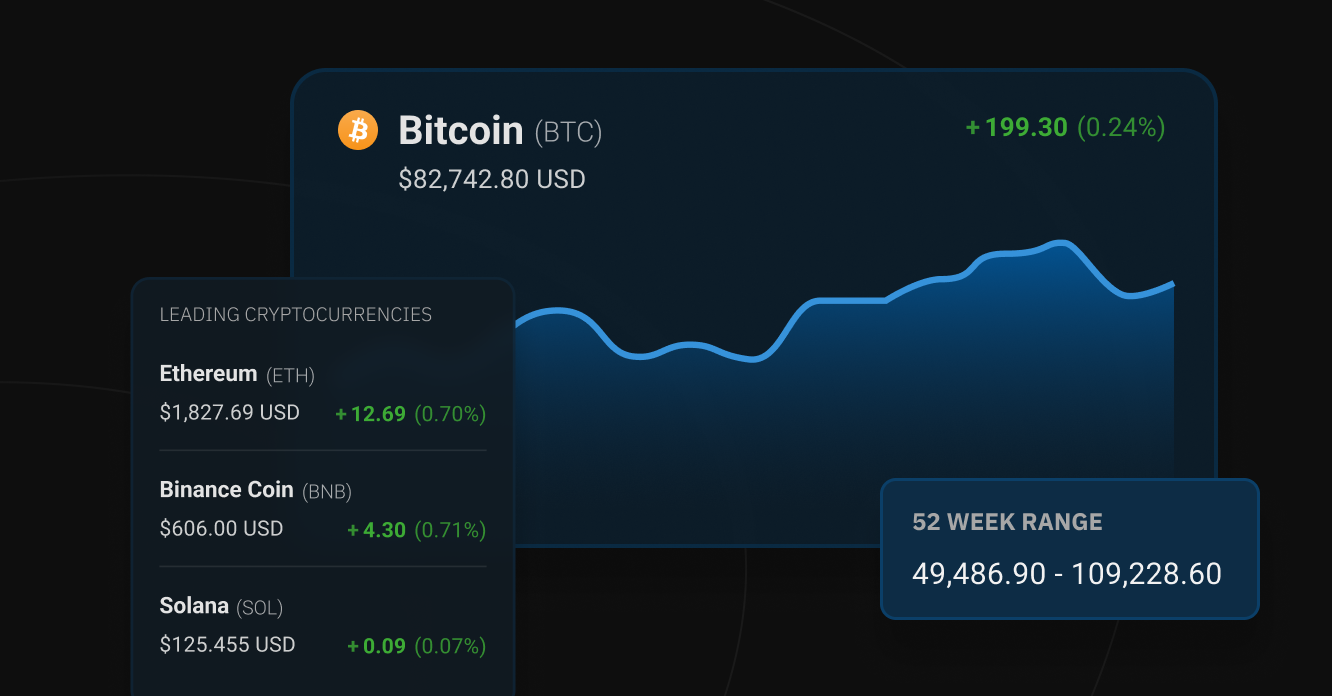
Tap into the Power of Crypto Insights with QuoteMedia’s Comprehensive Data
Product Description
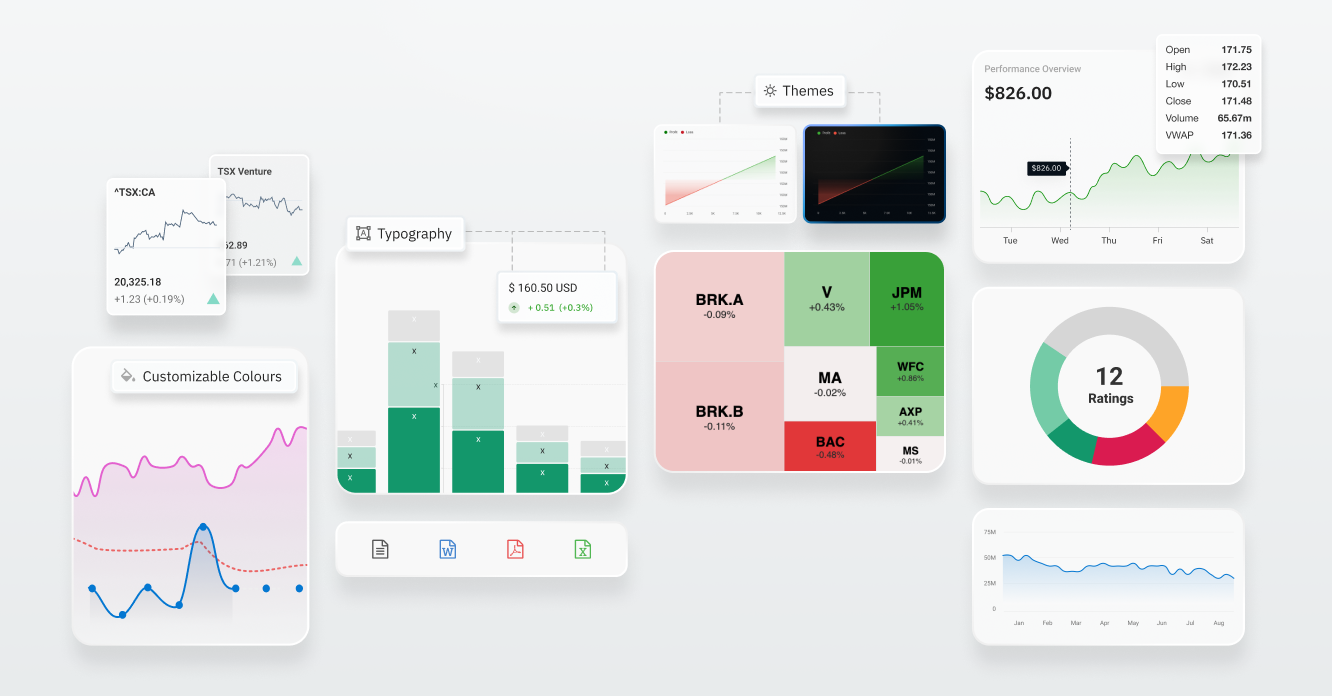
Discover Smarter Trading with QuoteMedia’s Advanced Charting Tools
Product Description
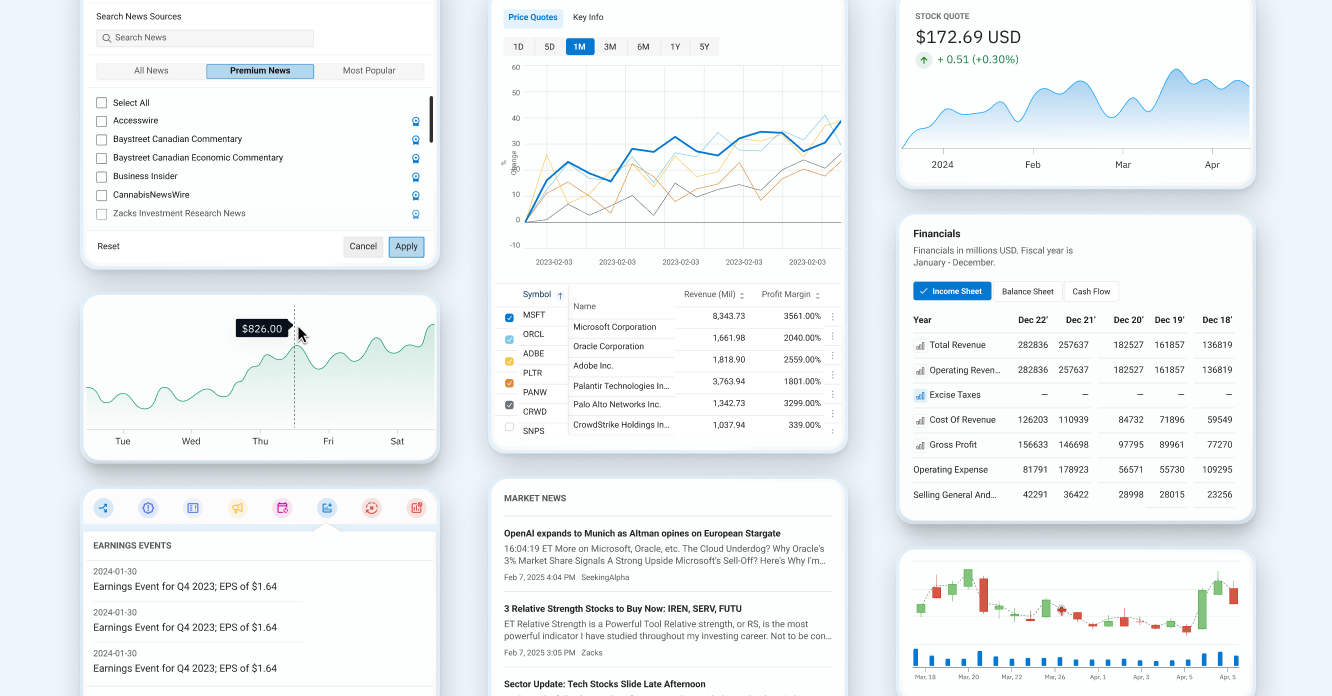
Streamline Investor Engagement with QuoteMedia’s Investor Relations Tools
Product Description
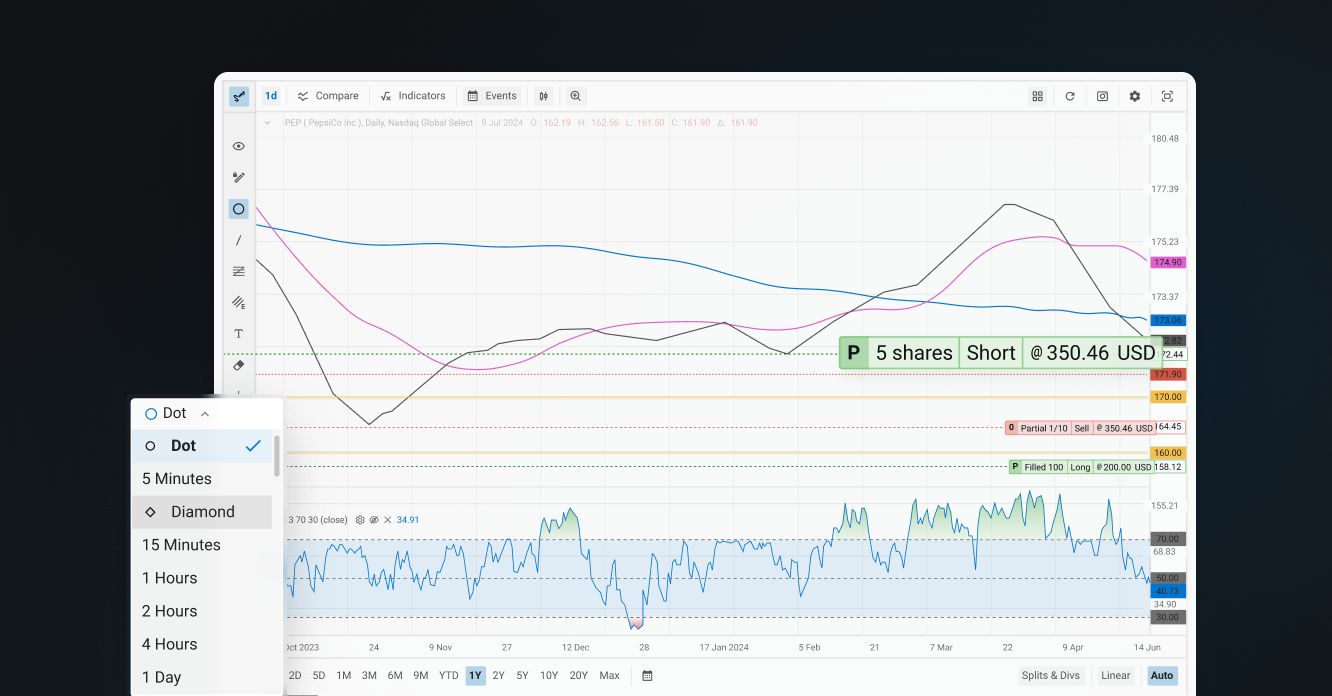
Transform Your Analysis with Quotestream’s Advanced Charting Tools
Product Description
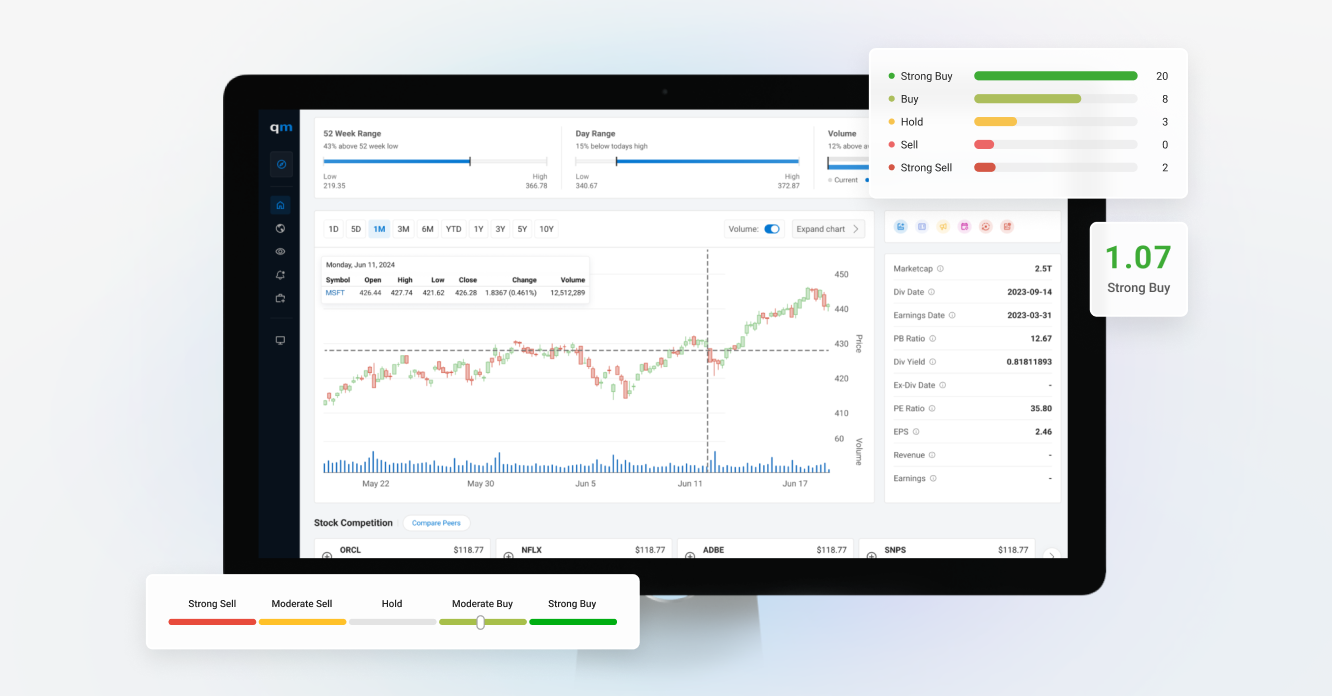
Drive Institutional Success with QuoteMedia’s Comprehensive Analytics and Research Solutions
Product Description
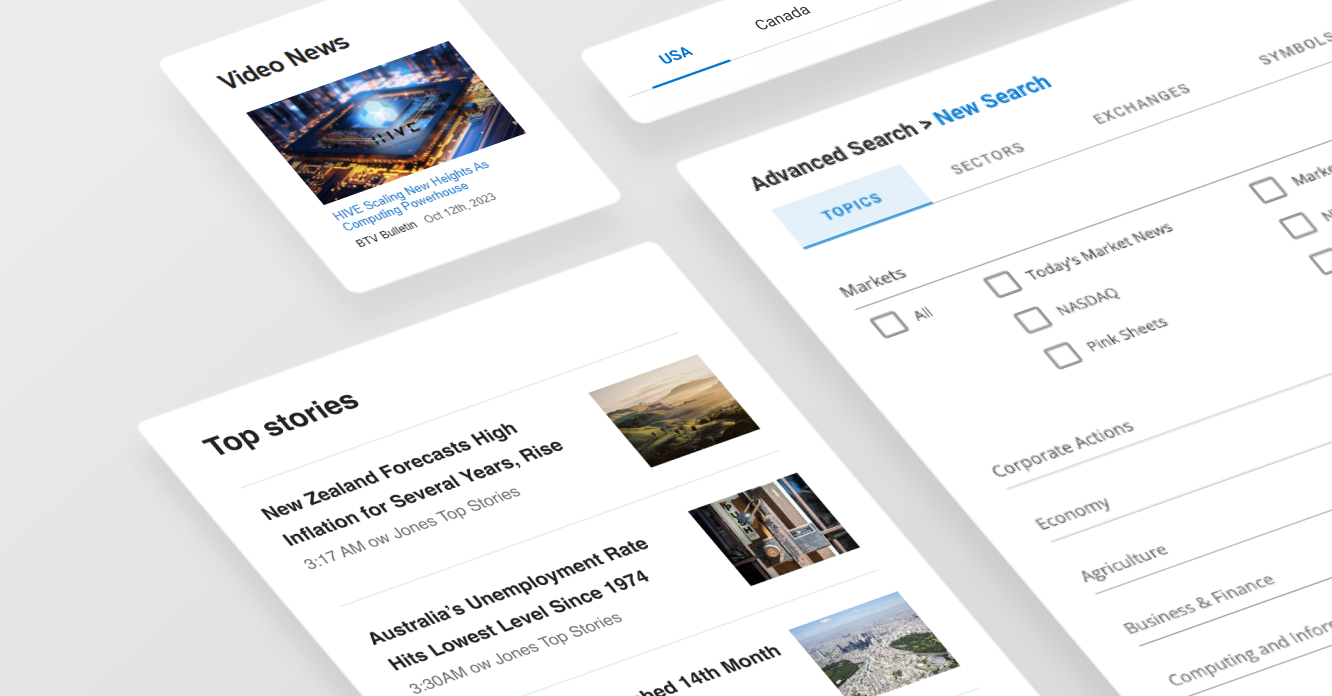
Never Miss a Beat with QuoteMedia’s Enhanced News and Research Tools
Product Description
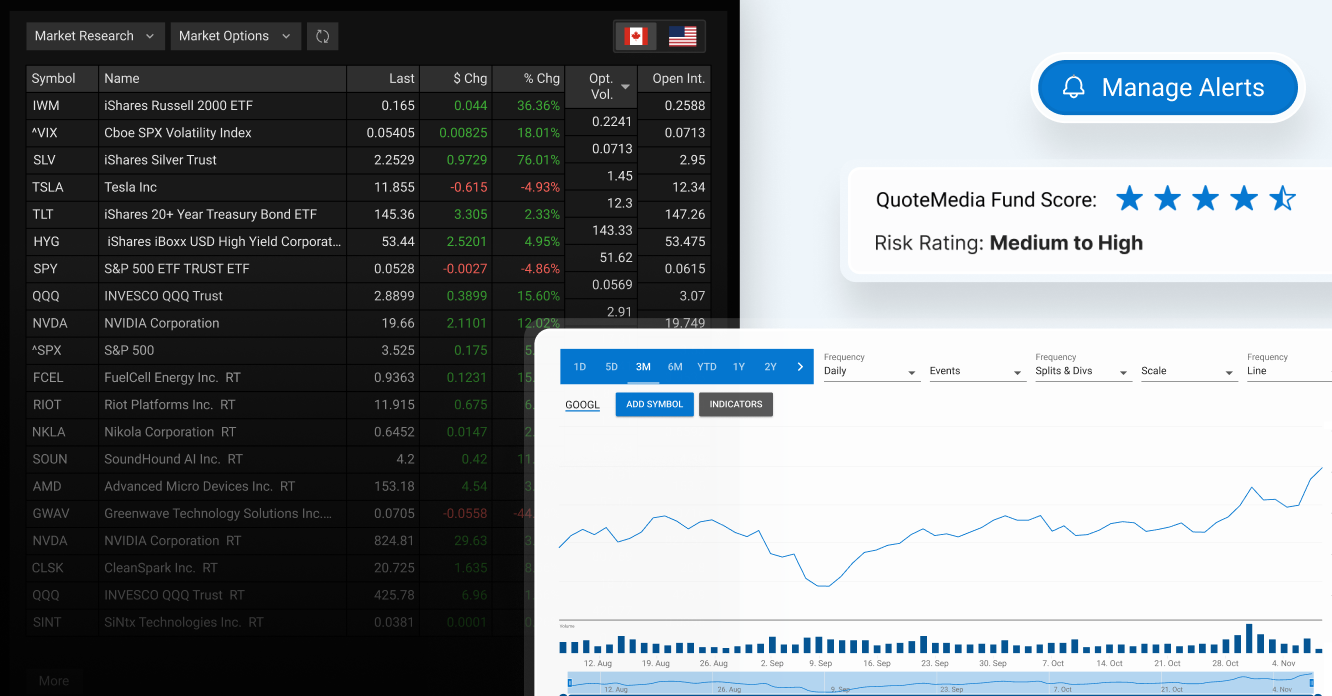
Leverage the Power of QuoteMedia’s Data Feeds: A Global Solution for Traders
Product Description
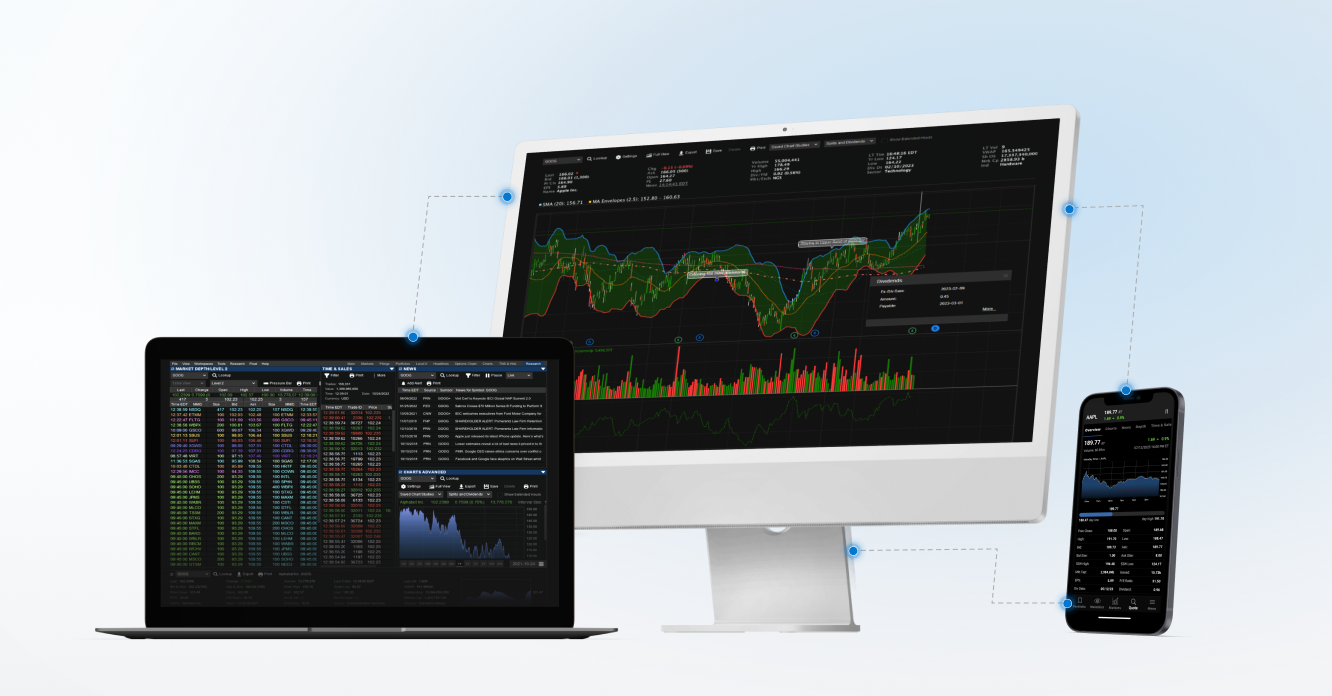
Discover the Power of Quotestream’s Market Data Solutions