Why Modern Markets Need A Smarter Classification System (Like QMICS)
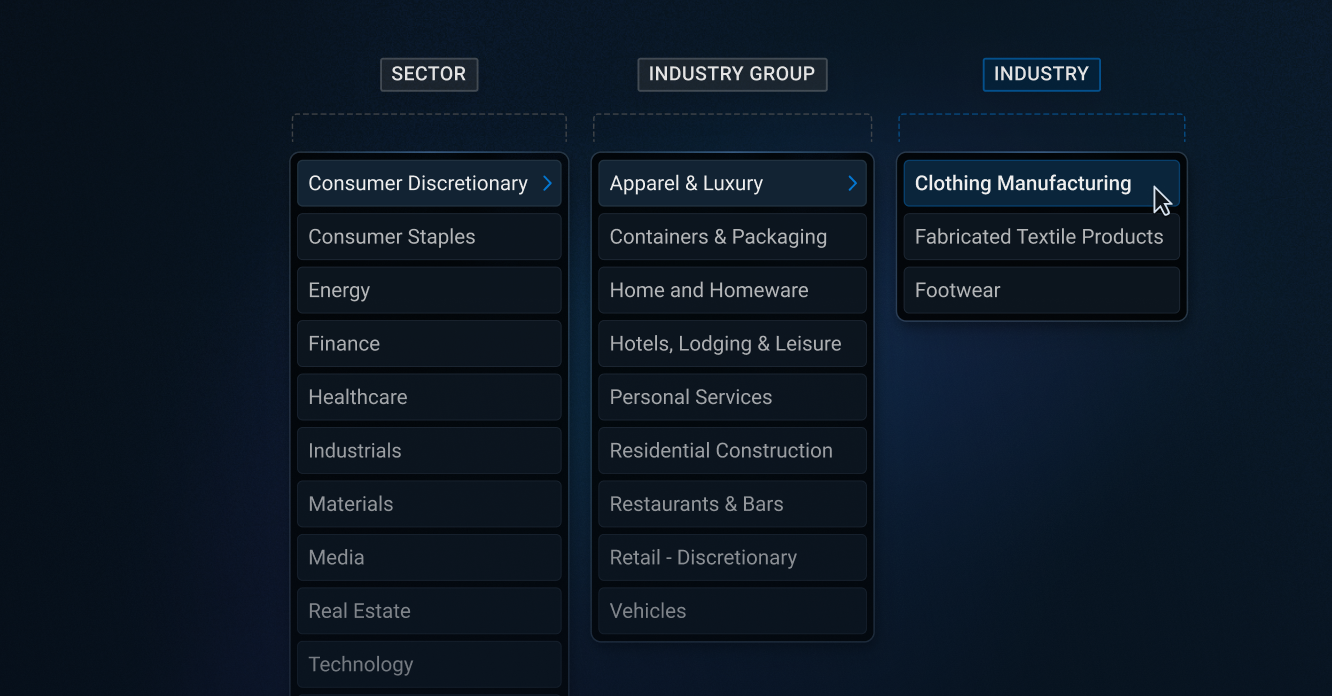
Financial markets evolve faster than traditional classification systems were ever designed to handle. When industry structures lag behind reality, platforms lose clarity, trust, and meaningful market context.
Modern investors, publishers, and financial products need classifications that reflect how businesses operate today. This is where a more agile and relevant approach to market classification becomes essential.
The Problem With Traditional Market Classification
Financial markets evolve quickly, but most industry classification systems struggle to keep pace. Many existing frameworks were designed decades ago for slower, more predictable economic conditions.
At the time, industries were clearly defined, innovation cycles were longer, and business models changed gradually. That reality no longer exists in today’s global, technology-driven economy. New sectors emerge rapidly, existing industries blur together, and companies pivot faster than ever before.
Yet many classification systems still rely on rigid structures and infrequent updates, which this disconnects creates confusion for investors, platforms, publishers, and financial professionals. So, in reality, when classification falls behind reality, market data loses clarity, relevance, and decision-making value.
Why Annual Updates Are No Longer Enough
Most traditional classification systems operate on annual update cycles, and in fast-moving markets, one year can feel like an eternity. Entire industries can emerge, mature, and transform within that timeframe, and when it comes to relying on annual maintenance, mean classification is always reactive rather than leading.
This lag impacts everything from portfolio analysis to market storytelling and product discovery. Outdated classifications make it harder to understand where companies truly belong. In modern markets, timeliness is no longer a nice-to-have; it’s a fundamental requirement for accuracy and trust.
Enter QMICS
QMICS was built specifically to address these modern challenges, and it reflects how companies actually operate today, not how industries looked in the past. The system uses a clean, code-based structure that supports consistency across platforms and products.
This approach removes ambiguity while remaining easy to integrate and scale. QMICS focuses on four clear classification levels: super sector, sector, industry group, and industry. By removing unnecessary complexity, QMICS improves usability without sacrificing analytical depth, giving users the structure they need without becoming buried in excessive hierarchy.
Designed for Real Market Behavior
QMICS classifications are driven by source of revenue, ensuring companies are categorized purely by what they actually do, not how they market themselves. The system also supports modern, relevant categories that reflect today’s economy, for example, some emerging technology sectors and clearer distinctions within established industries.
This structure helps market participants tell more accurate stories about performance and exposure, resulting in improved discoverability across financial platforms and information portals.
Competition Versus QMICS
Most competing classification systems share similar limitations; typically, they’re over-reliant on legacy taxonomies, inflexible structures, and slow update cadences. Many use 4 to 6 classification levels with inconsistent logic layered in, and updates typically occur once per year, regardless of market changes.
QMICS takes a much different approach, combining streamlined structure, code-based precision, and more responsive update practices. See the chart below to learn more.
Competition vs. QMICS
| Category | Competition | QMICS |
| Industry Classification Levels | Between 4-6 hierarchical classification levels | 4 clear classification levels designed for consistency |
| Taxonomy Levels | Economy or super sectors, sectors, industry groups, industries, and sub-industries | Super sector, sector, industry group, and industry levels |
| Classification Technique | Classification approaches are either name or code-based | Code-based classification system for precision and scalability |
| Mapping Rule | Company placement is primarily determined by the source of revenue analysis | Classification driven by revenue for consistent business alignment |
| Coverage | Global market coverage across developed and emerging regions | US, Canada, and UK market coverage |
| Data Updating/Maintenance | Classification data and structures are typically updated on an annual cycle | Updates are annually delivered with additional ad hoc info as needed |
Key Takeaway
QMICS prioritizes clarity, flexibility, and timeliness compared to legacy competitors.
Power Your Platform With QMICS Market Classification
QMICS was built specifically for modern markets that change faster than legacy classification systems can keep pace. It provides a clear, code-based framework that reflects how companies actually operate today.
With streamlined classification levels, revenue-driven logic, and timely updates, QMICS keeps market data accurate and relevant. QMICS gives users clearer insights, better context, and greater confidence when navigating complex market information. If your product relies on precise industry classification, QMICS gives you a modern foundation built for clarity and trust. Now, if you’re eager to learn, feel free to reach out to our team to see how QMICS and QuoteMedia can help you take things to the next level.
Related Articles
Case Study
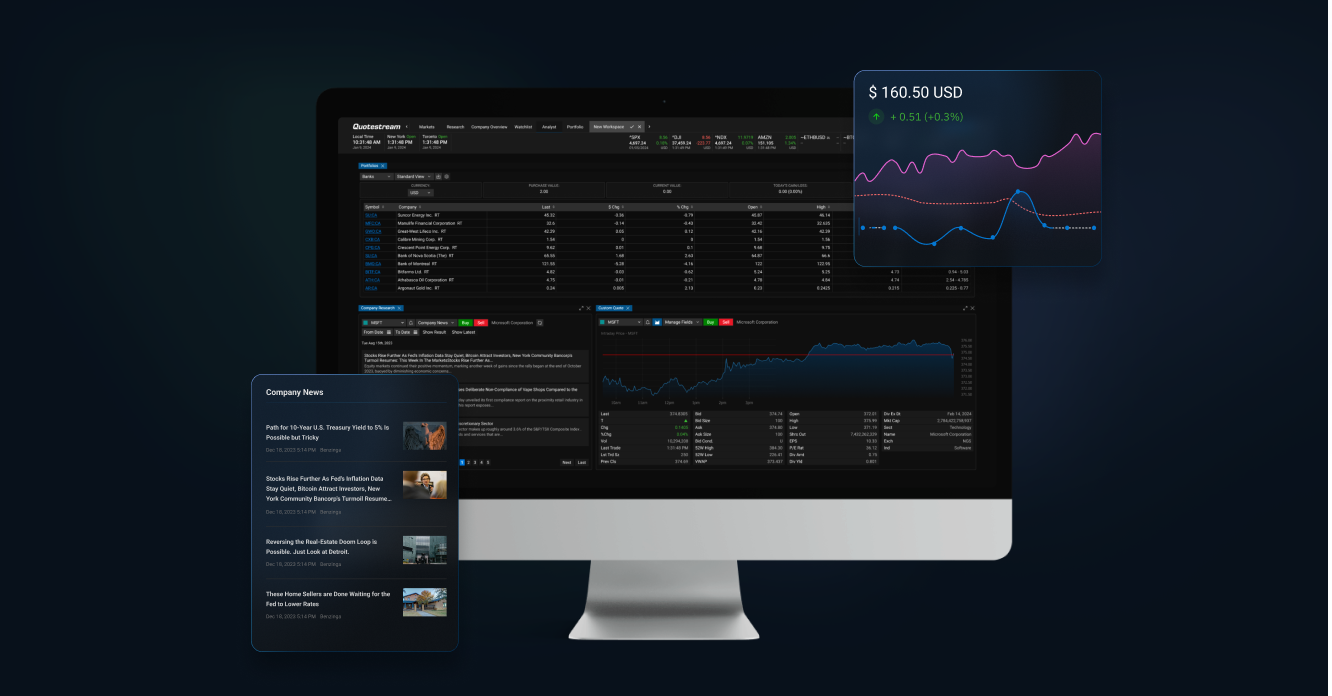
Transform Your Trading Operations: QuoteMedia’s Data Coverage for Enterprises
Case Study
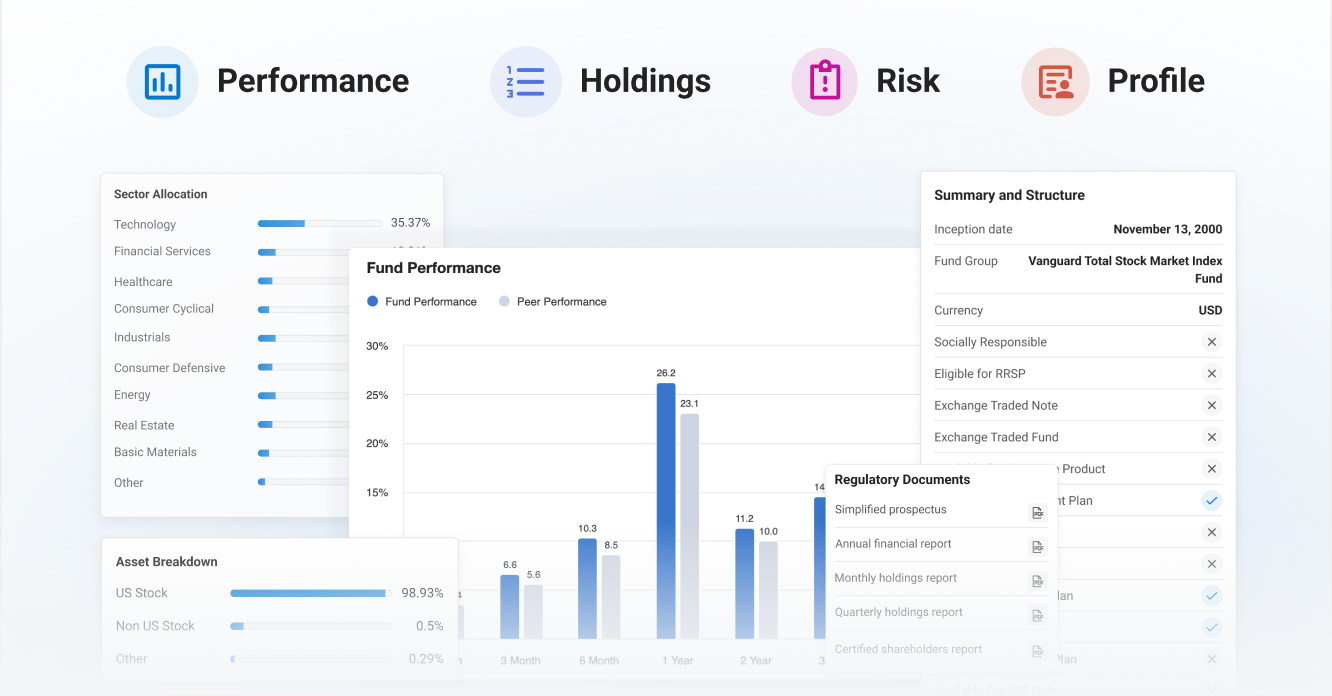
What Investors Look for in a Mutual Fund or ETF
Case Study

Case Study: QuoteMedia’s Market Data Gets Supercharged Thanks to CPZ Lab’s Modular Quant Intelligence
Case Study
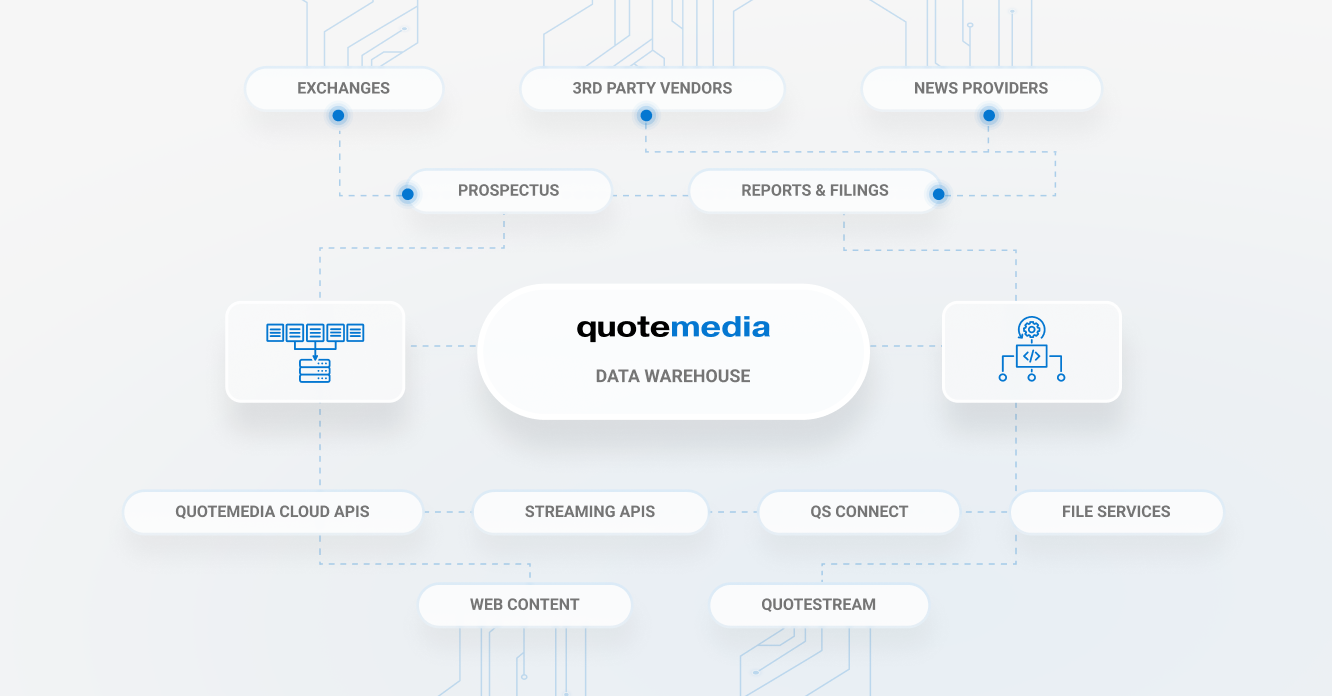
Streamlining Hedge Fund Operations: A Success Story with QuoteMedia’s Security Master File